Where complexity
meets possibility
Contracted SUD clinical supervision and thoughtful program support — from workflows
and documentation to grant development, quality improvement, equity, and sustainability.

See
shape

build

bridge
Your clinical supervisor should be able to take a vacation
Short-term SUD clinical-supervision coverage when your regular supervisor is away, unexpectedly unavailable, or your program is in transition.
Planned Time Away
Vacation, planned leave, trainings, or other short-term absences.
Unexpected Absence
Medical emergencies, family emergencies, or sudden unavailability.
Transitions & Vacancies
Temporary support while recruiting, onboarding, or transitioning between clinical supervisors.
Remote Coverage
Scheduled supervision, immediate consultation availability, and documentation review/sign-off within the agreed scope.
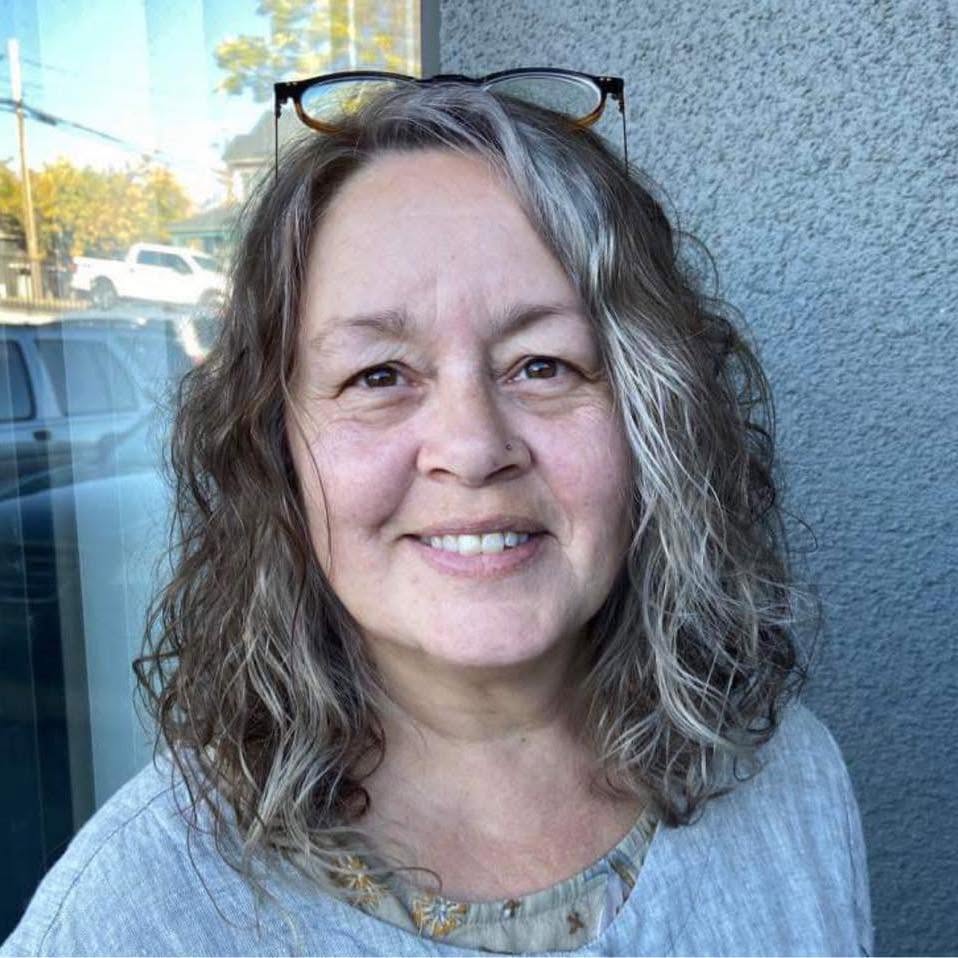
I know this work from
the inside
I’ve spent much of my working life building things and, since 2015, working in substance use disorder treatment and behavioral health. My experience spans founding two nonprofits, street outreach, clinical supervision, program development, grants, billing, operations, equity, and implementation. That varied path helps me see problems from more than one angle and shape practical solutions that work in the real world.
Practical support for complicated work
Some needs are clearly defined. Others need another experienced perspective. I offer focused support for behavioral health and community-serving organizations — from clinical coverage to program design, systems improvement, and funding strategy.
Clinical Supervision & Coverage
Short-term SUD clinical-supervision coverage, supervisor consultation, documentation review, and focused clinical support.
Program Design & Improvement
Program development, workflows, documentation systems, billing, quality improvement, and practical problem-solving.
Grants, Projects & Sustainability
Grant development, project design, implementation planning, budgeting, forecasting, equity, and long-term sustainability.
MAKING POSSIBILITY PRACTICAL
The work takes shape somewhere
between intention and reality.
I work with organizations where there isn’t a ready-made answer;
where you have to understand the people, hear from those who are impacted,
see the constraints, systems and possibilities, and shape
something workable from what is actually there.
WHAT THIS LOOKS LIKE IN PRACTICE
Built in the real world
My work is grounded in services I have actually built, operated, funded, supervised, and carried responsibility for — including licensed SUD outpatient treatment, low-barrier care for people experiencing homelessness, recovery and peer-support services, Medicaid-funded programming, grant-funded access projects, and affirming SUD services for 2SLGBTQIA+ communities.
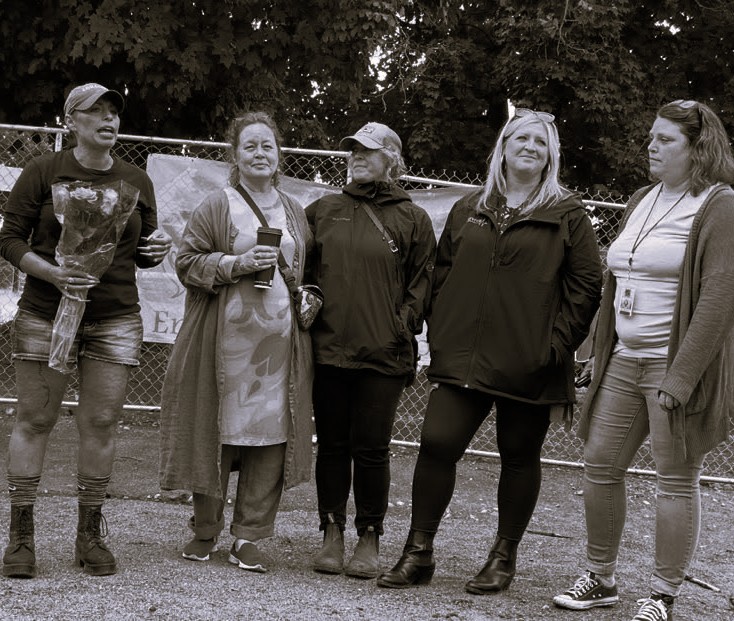
Camp Hope, Spokane WA
From 2022 to 2025, five organizations across Spokane worked together to connect more than 500 people living at Camp Hope with housing, treatment, and supportive services.
My role included building a low-barrier sobering center, developing two transitional houses, supporting a peer-navigation team, managing financial reporting, and helping coordinate a project that required constant collaboration, adaptation, and problem-solving across multiple systems.
This photo was taken on the final day of Camp Hope, as the last resident left the site for housing. It remains one of the most challenging and meaningful projects of my career.
Designing SUD Treatment for People Living in Crisis
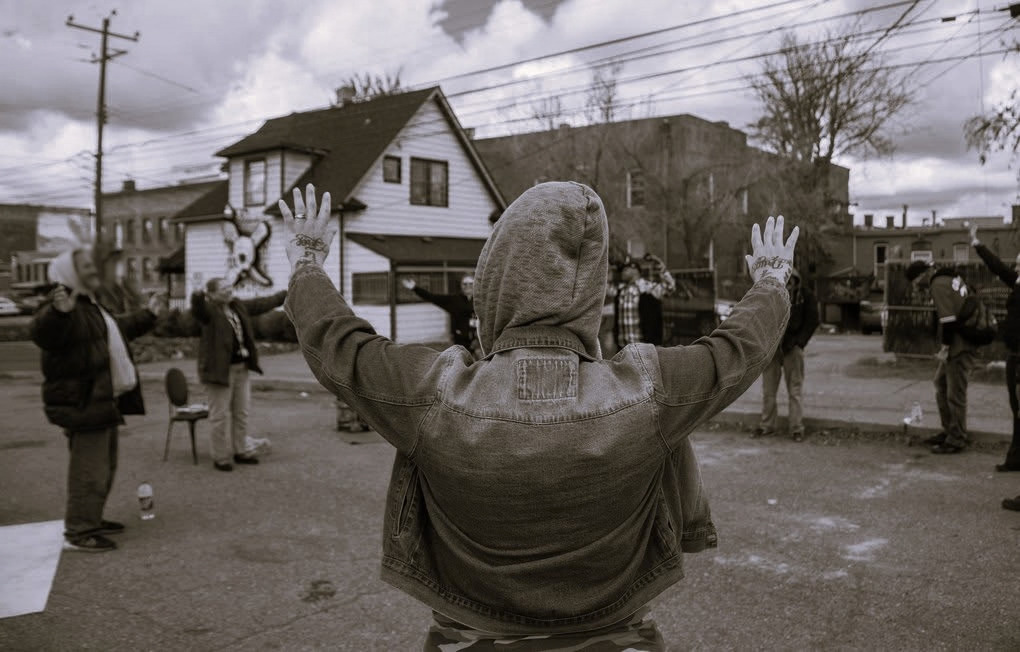
With a commitment to removing barriers to care, reducing stigma, and recognizing the realities of living in crisis environments, I developed an IOP/OP substance use disorder program designed for people experiencing homelessness.
This photo was taken during an outdoor group during the COVID-19 pandemic – arms stretched out as a gesture of closeness, when creative solutions were needed to keep people experiencing homlessness connected to treatment and recovery while protecting health and safety.
Expanding Access To Care — Regardless Of Coverage
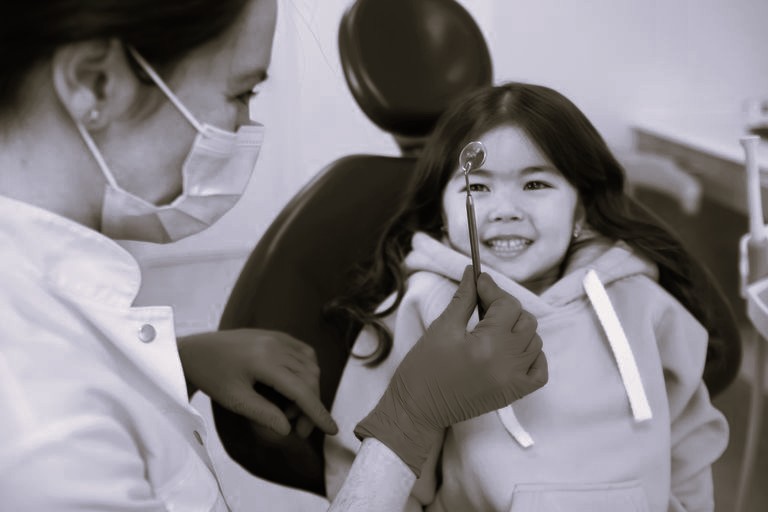
A $475,000 Washington Health Care Authority grant gave us the opportunity to remove one of the most basic barriers to health care: the ability to pay. The funding covered medical, dental, behavioral health, and substance use treatment for uninsured and underinsured people, regardless of immigration or documentation status.
My role included developing the grant, building partnerships with community providers, creating processes for accessing and paying for care, managing allowable expenditures and reporting, and helping turn public funding into actual access to care for people who otherwise might have gone without.